

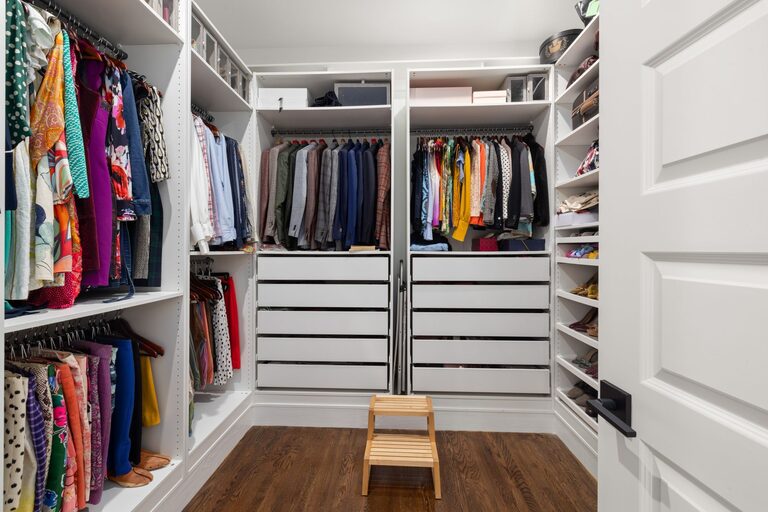
A tidy closet can make mornings easier, protect your clothing and help you make better use of the space you have. The key is not simply arranging everything neatly once. It is creating a system that suits your routine and is simple enough to maintain.
With a thoughtful approach to sorting, storage and daily habits, your closet can stay organised for longer. Use these practical tips to create a space that looks tidy and works well.
Start with a clear-out
Before buying storage containers or rearranging shelves, take everything out of the closet. Working with an empty space makes it easier to see what you own and decide how you want the area to function.
Place clothing and accessories on the bed or another clean surface. Then sort everything into groups, such as:
– Tops
– Trousers and jeans
– Dresses and skirts
– Jumpers and jackets
– Shoes
– Bags
– Accessories
– Seasonal items
As you sort, consider each item carefully. Ask yourself:
– Does it fit comfortably?
– Have I worn it recently?
– Is it in good condition?
– Does it suit my current lifestyle?
– Would I choose to wear it again?
Create separate piles for items to keep, donate, repair, recycle or discard. Be realistic about clothes you are keeping “just in case”. If something has not been worn for a long time and does not serve a clear purpose, it may be taking up useful space.
Group similar items together
Once you have decided what to keep, arrange similar items together. This makes it easier to find what you need and helps prevent clothes from being placed randomly.
You might group clothing by type first, then by colour. For example, keep all shirts together, followed by trousers, dresses and jackets. Within each category, arrange items from light to dark or in a colour order that feels natural to you.
Another option is to organise your closet according to how you dress. You could create sections for:
– Work clothing
– Casual clothing
– Exercise gear
– Formal outfits
– Sleepwear
– Weekend clothing
Choose the method that matches your habits. If you usually dress by outfit, keeping complete outfits together may be more useful than arranging everything by colour.
Make the most of hanging space
Use matching or similar hangers where possible. They create a more streamlined appearance and take up less space than a mixture of bulky hangers.
Slim, non-slip hangers are useful for shirts, blouses and lightweight clothing. Stronger wooden or padded hangers work well for jackets, coats and heavier garments.
Try these hanging habits:
– Face all hangers in the same direction.
– Leave a little space between groups of clothing.
– Hang delicate items carefully to prevent stretching.
– Fold knitwear rather than hanging it if it may lose its shape.
– Use a separate section for clothing that needs ironing or repair.
You can also turn all hangers to face backwards at the beginning of a season. When you wear and return an item, face its hanger forwards. After several months, you will have a clear view of what you actually wear.
Use shelves and drawers efficiently
Folded clothing is often easier to manage when it is stored upright rather than stacked in tall piles. An upright arrangement allows you to see each item without removing everything above it.
Use drawers for smaller or softer items, such as:
– T-shirts
– Underwear
– Socks
– Activewear
– Sleepwear
Fold similar items to a similar size so the drawer stays orderly. Drawer dividers can help separate categories and stop smaller items from becoming mixed together.
For shelves, keep heavier items lower down and lighter items higher up. Store frequently used clothing at eye level. Less-used or seasonal items can go on higher shelves, provided they are still easy enough to reach safely.
Avoid filling shelves to the very edge. Leaving a little spare space makes it easier to put clothes away and reduces the chance of piles becoming messy.
Store seasonal clothing thoughtfully
Rotating seasonal clothing can free up valuable space. At the end of a season, wash and completely dry items before storing them. Check pockets and repair small problems, such as loose buttons or minor tears.
Store out-of-season clothing in breathable fabric bags, lidded boxes or under-bed containers. Add a simple label to each container so you can find items quickly later.
Keep the following points in mind:
– Avoid storing damp clothing.
– Do not compress delicate fabrics for long periods.
– Keep clothing away from direct sunlight.
– Store heavy items without placing them on delicate fabrics.
– Check stored items occasionally for signs of moisture or pests.
If your climate changes quickly, keep a small selection of transitional clothing accessible rather than packing away everything at once.
Organise shoes and accessories
Shoes can quickly make a closet look untidy, especially when they are left in a heap. Store them in pairs using a shoe rack, clear boxes, cubbies or a low shelf. Place the pairs you wear most often where they are easiest to reach.
Allow shoes to air before storing them, particularly after wet weather. Keeping them clean also helps protect the rest of your closet from dirt.
For accessories, use small boxes, trays or drawer dividers. You could arrange items into groups such as:
– Belts
– Scarves
– Hats
– Jewellery
– Sunglasses
– Handbags
Use hooks on the inside of a door or on an unused wall for bags, belts or scarves. Make sure the hooks are securely installed and do not overload them.
Keep a simple return system
A closet stays tidy when every item has a clear home. When you take something out, return it to the same place after wearing or washing it. This small habit prevents clutter from building up.
Create a temporary spot for clothing that has been worn once but is not ready for washing. A few hooks, a valet stand or one designated hanger can work well. Avoid placing these items on a chair or the floor, where they can quickly become a pile.
You can also keep a small basket nearby for items that need attention, such as clothing for repairs, alterations or donation. Empty the basket regularly so it does not become a permanent storage area.
Do a quick weekly reset
A short weekly reset is easier than a large clean-up every few months. Set aside 10 to 15 minutes to return items to their proper places and check for any growing clutter.
During the reset:
- Put away clean clothing.
- Hang or fold items left out.
- Match and store shoes.
- Return accessories to their containers.
- Remove rubbish, tags and unwanted packaging.
- Move repair or donation items to the correct basket.
If several people share the closet, make sure everyone understands the system. A simple arrangement is more likely to last when it is easy for everyone to follow.
Avoid overfilling the space
A closet can only hold so much. When it becomes too full, clothing is harder to see, items crease easily and tidying takes longer.
Before adding a new item, consider whether you have something similar already. If you buy something, decide where it will live before bringing it home. You may be able to remove or donate an older item that no longer suits your needs.
Aim to leave a small amount of open space in each section. This gives your clothing room to move and makes the closet feel calmer.
Review your system regularly
Your storage needs may change over time. A system that works during one season or stage of life may need to be adjusted later.
Review your closet every few months. Look for categories that have become crowded, items you no longer use and storage solutions that are not working well. Small changes, such as moving everyday clothing to a more convenient shelf, can make a noticeable difference.
The best organised closet is not necessarily the one that looks perfect. It is the one that makes it easy to find, use and put away your belongings. By keeping your system simple and maintaining it in small steps, you can enjoy a tidy closet that stays organised day after day.