

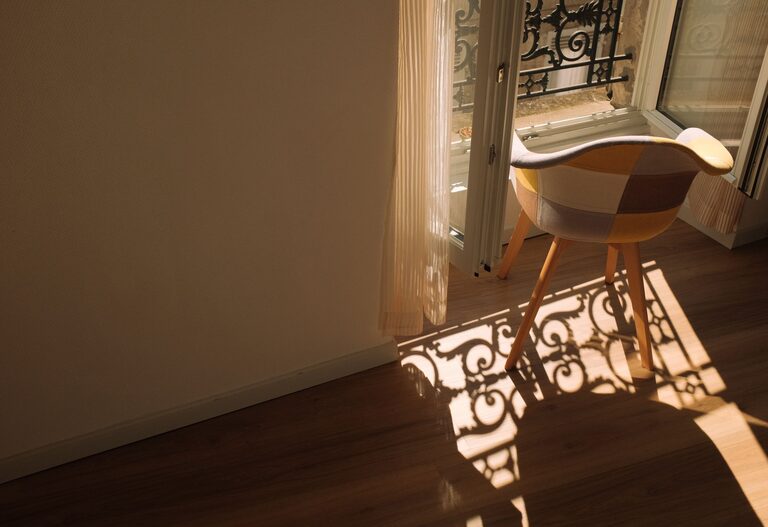
A dark room can feel cosy, calm and intimate, but it may also seem smaller or less inviting than you would like. Fortunately, you do not need a major renovation to make the space feel brighter. A few thoughtful changes to lighting, colour, furniture and accessories can make a noticeable difference.
Whether you are working with a room that receives little natural light or one with dark finishes, these easy ideas can help you create a lighter, more comfortable space.
Make the Most of Natural Light
Before adding new furniture or decorations, look at how daylight moves through the room. Keeping windows clear is one of the simplest ways to improve brightness.
- Replace heavy curtains with lightweight options such as linen, cotton or sheer fabric.
- Choose blinds that can be raised fully during the day.
- Keep window sills free from tall plants and large ornaments.
- Trim or reposition outdoor plants that block sunlight.
- Clean the glass regularly to remove dust and improve the amount of light coming through.
If privacy is important, layer sheer curtains with blockout curtains. This lets you filter daylight while still having more control in the evening. Hang curtains slightly wider and higher than the window frame to make the window feel larger and allow more light into the room.
Choose Light Reflective Colours
Colour can change the way a room looks and feels. Pale shades reflect more light, while very dark colours tend to absorb it. White is not the only option, however. Soft neutrals can make a room feel bright without looking stark.
Colours to Consider
- Warm white for a clean but comfortable look
- Soft beige for a gentle, natural feel
- Pale grey for a modern finish
- Light sage for a subtle touch of colour
- Dusty blue for a calm and airy atmosphere
- Soft cream for rooms with limited natural light
When choosing paint, test a few samples on different walls. Light can vary throughout the day, and a colour may look warmer or cooler depending on the room’s position and existing finishes. Painting the ceiling a light shade can also make it feel higher and help spread light across the room.
Use Mirrors to Reflect Light
Mirrors are a practical way to make a dark room appear more open. Place one opposite or beside a window so it can reflect daylight around the space. A large mirror can create the strongest effect, but several smaller mirrors can work well too.
Try a round mirror above a sideboard, a tall mirror near a doorway or a group of small mirrors arranged as wall art. Choose a frame that suits your decor, such as light wood, white, metal or a simple frameless design.
Mirrored furniture and accessories can also help, but use them selectively. One or two reflective surfaces are usually enough to brighten the room without making it feel overly shiny.
Layer Your Lighting
A single ceiling light often leaves corners looking dull. Layered lighting creates a brighter and more balanced room by combining several light sources at different heights.
Three Useful Types of Lighting
- Ambient lighting: General light from ceiling fixtures, pendant lights or flush fittings.
- Task lighting: Focused light from desk lamps, reading lamps or lights under shelves.
- Accent lighting: Decorative light that highlights artwork, plants, shelves or architectural features.
Place lamps in darker corners or beside seating areas. A floor lamp can draw the eye upwards, while table lamps add a warm glow at a lower level. Wall lights are useful when floor and table space is limited.
Light bulbs also affect the atmosphere. Warm white bulbs create a relaxed feel, while neutral white bulbs can make work areas appear clearer and more energetic. Check the recommended bulb type for each fitting, and use dimmable options where possible so you can adjust the room throughout the day.
Lighten the Floor
Large, dark flooring can make a room feel heavier. If replacing the floor is not practical, add a light-coloured rug to create a brighter visual base. Cream, oatmeal, pale grey and natural woven textures are easy options that suit many decorating styles.
A rug can also define a seating area and make the room feel more finished. Choose a size that fits beneath at least the front legs of the main furniture. This helps the space look connected rather than crowded.
Rearrange the Furniture
Furniture placement can affect how much light travels through a room. Avoid positioning tall bookcases, cabinets or screens directly in front of windows. If possible, move larger pieces against the darker walls and keep the area around windows more open.
Furniture with raised legs can make more of the floor visible, helping the room feel less enclosed. Pieces in pale wood, natural cane or light fabric can also create a lighter appearance than bulky furniture in deep colours.
Do not feel that every wall needs to be filled. Leaving some open space around furniture can make the room feel calmer and more spacious.
Add Light Textiles and Accessories
Small decorative changes can have a big effect. Swap heavy throws, dark cushions and thick curtains for lighter fabrics and softer colours. Textures such as cotton, linen and wool can add interest without making the room look busy.
Consider adding:
- Light cushion covers in soft neutral shades
- A pale throw over a sofa or armchair
- Artwork with open backgrounds and gentle colours
- Glass vases or ceramic accessories in light tones
- Natural baskets for texture and practical storage
- A pale lampshade to spread light more evenly
Use a simple colour palette throughout the room. Repeating two or three light shades creates a sense of flow and prevents individual items from competing for attention.
Bring in Greenery
Plants can brighten a room by adding colour, shape and a natural feel. Choose plants that suit the amount of light available, and place them where they will not block windows or lamps.
If the room is too dark for living plants, consider dried foliage, a high-quality artificial plant or a small arrangement of flowers. Light-coloured pots can add another reflective surface and help tie the look together.
Keep Clutter Under Control
Clutter can make a dark room feel even more enclosed. Clear unnecessary items from shelves, window sills and surfaces so light has more visual space to travel. Use baskets, boxes and closed storage to keep everyday belongings organised.
Try grouping a few favourite objects together rather than displaying everything at once. A tidy room usually feels brighter, calmer and more spacious, even before any decorating changes are made.
Start with One Simple Change
You do not have to update the entire room in one weekend. Start by opening up the windows, moving a piece of furniture or adding a lamp to a dim corner. From there, introduce lighter textiles, reflective surfaces and carefully chosen colour.
By combining natural light with layered lighting, open space and pale accents, you can make a dark room feel brighter and more welcoming without a costly makeover.