

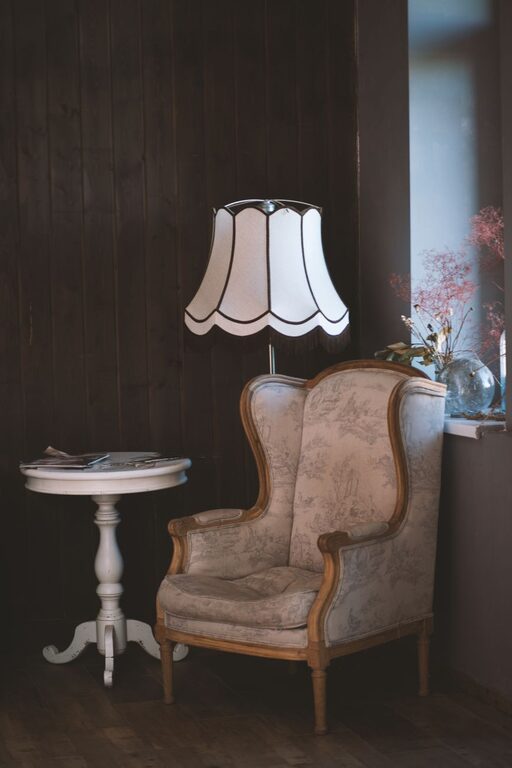
A cosy reading corner can turn an unused part of your home into a welcoming place to slow down, enjoy a good book and take a break from busy routines. You do not need a large room or an expensive makeover. With the right seat, good lighting and a few personal touches, almost any space can become a comfortable reading retreat.
Whether you have a spare corner in the lounge, a sunny spot in the bedroom or a quiet area beside a window, these ideas will help you create a reading space that feels inviting and practical.
Choose the right location
Start by looking around your home for a space that is quiet, comfortable and easy to use. A reading corner does not have to be completely separate from the rest of the house, but it should offer enough peace for you to focus.
Consider these possible locations:
– A corner beside a window
– An unused space at the end of a hallway
– A section of the lounge room
– A bedroom corner
– A wide windowsill with enough room to sit
– A sheltered area in a home office
– A spot near a bookcase or storage unit
Natural light can make a reading corner feel bright and pleasant during the day. However, avoid placing your chair where direct sunlight creates glare on the pages or makes the area uncomfortably warm. If the space is near a window, curtains or blinds can help you control the light.
It is also worth considering noise. If your home is often busy, a corner away from the television, kitchen or main walkway may be more relaxing.
Select comfortable seating
The seat is the centrepiece of your reading corner, so comfort should be a priority. Choose something that supports your back and allows you to sit in a position that feels natural.
Good seating options include:
– A comfortable armchair
– A compact lounge chair
– A cushioned bench seat
– A window seat
– A rocking chair
– A floor cushion with back support
– A small chaise lounge
Before buying anything, measure the available space. Make sure there is enough room to sit comfortably and move around the chair. You may also want to leave space for a small table, lamp or footstool.
If your current chair is comfortable but looks plain, update it with a soft throw or a pair of cushions. A cushion behind your lower back can provide extra support, while a footstool can make longer reading sessions more comfortable.
Plan your lighting
Good lighting helps make reading easier and creates a warm atmosphere. Ideally, your reading corner should have a combination of natural light and a dedicated lamp for evenings or overcast days.
A floor lamp is useful beside a large armchair, while a table lamp works well on a side table. An adjustable lamp allows you to direct light towards your book without shining it into your eyes. Wall-mounted lights can also save floor space in a smaller room.
Keep these lighting tips in mind:
– Position the light beside or slightly behind your shoulder.
– Choose a bulb that is bright enough for reading but not harsh.
– Use a warm white bulb for a softer, more relaxing feel.
– Avoid placing a lamp where its cord could become a trip hazard.
– Consider a dimmer if you want to change the mood easily.
If you read on an electronic device, check that the lamp does not create reflections on the screen. A small side light may be better than a bright overhead fitting.
Add a small surface
A side table gives you somewhere to place a book, cup of tea, reading glasses or a notebook. It does not need to be large. A compact round table, narrow stool or small wooden crate can work well, depending on the style of your home.
Choose a surface that is close enough to reach without leaning too far. If the area is very small, look for furniture with more than one purpose, such as a nesting table, storage stool or slim shelf.
Try to keep the tabletop reasonably clear. A reading corner feels more relaxing when it is tidy, so display only the items you use regularly.
Use soft textures
Texture can make a reading corner feel warmer and more inviting. Add layers rather than trying to match every item perfectly.
Useful additions include:
– A soft throw blanket
– One or two supportive cushions
– A small rug
– Fabric curtains
– A padded footstool
– A woven basket
A rug can help define the reading area, especially if it is part of a larger room. It can also make the space feel warmer underfoot during cooler months. Choose a size that fits beneath the chair or reaches slightly beyond it.
For a calm look, use a simple colour palette. Neutral shades such as cream, beige, grey and soft green can create a peaceful setting, while richer tones such as rust, navy or forest green can add depth and character.
Create practical book storage
Keeping a few favourite books close by makes the reading corner more convenient. A bookcase is an obvious choice, but there are many other options if you have limited space.
You could use:
– A narrow bookshelf
– Floating shelves
– A low cabinet
– A storage basket
– A book trolley
– A small pile on a sturdy side table
Avoid overcrowding the area. A carefully chosen selection of books can look attractive and make it easier to find what you want to read. Store the rest of your collection elsewhere and rotate the books from time to time.
If you have children, add a low shelf or basket so they can choose books independently. For shared spaces, label baskets or use separate sections for different readers.
Add personal touches
The best reading corners reflect the person who uses them. Include a few objects that make the space feel like your own, such as a favourite artwork, a framed photograph, a handmade cushion or a small collection of meaningful items.
Indoor plants can add colour and a fresh feeling, provided the area receives enough light. Choose a low-maintenance plant if you do not want to spend much time caring for it. A small vase of flowers can also brighten the corner without taking up much space.
You might also add a small clock, bookmark holder or notebook for recording favourite quotes and ideas. Keep decorations purposeful so the area remains comfortable rather than cluttered.
Keep the corner tidy
A little organisation will help your reading space stay enjoyable. Use a basket for blankets, a small tray for loose items and a nearby shelf for books. Make sure cables are tucked away and that the chair is not blocking a doorway or walkway.
At the end of each reading session, return books and accessories to their usual places. This simple habit keeps the corner ready for the next quiet moment.
It is also helpful to review the space every few months. Remove items that are no longer useful, adjust the lighting as the seasons change and wash or air out soft furnishings when needed.
Make it work for your routine
A reading corner should suit the way you actually read. If you enjoy reading early in the morning, place it near a window where daylight is strongest. If you prefer reading at night, focus on comfortable lighting and easy access to a blanket.
You may also want to include a small charging point for an e-reader, a reading stand for cookbooks or a lap tray for writing notes. These practical details can make the space more useful without taking away from its relaxed atmosphere.
The goal is not to create a perfect display. It is to design a comfortable place that encourages you to pause, settle in and enjoy your book. With thoughtful choices and a few simple additions, even the smallest corner can become a treasured part of your home.