

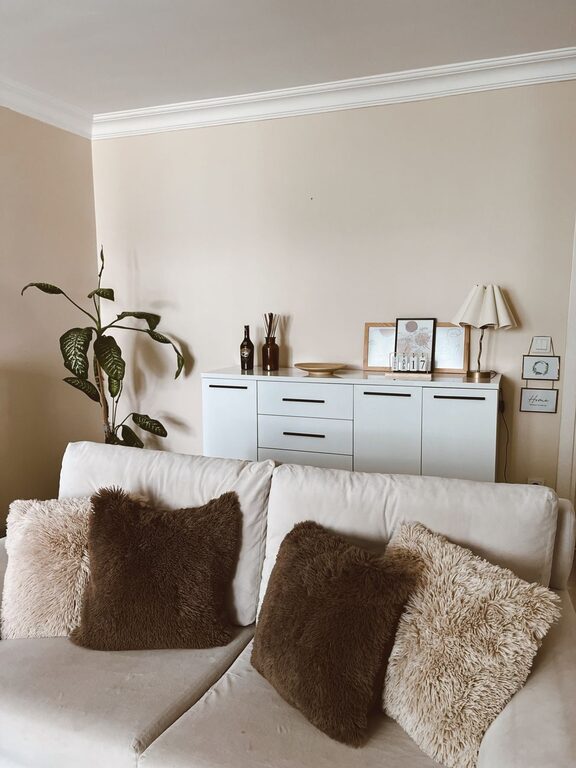
A living room refresh does not need to involve expensive furniture or a full renovation. Small, thoughtful changes can make the space feel brighter, more comfortable and better suited to your everyday life.
Whether you are working with a compact room, rented accommodation or a limited budget, there are plenty of ways to create a noticeable difference. Start with what you already have, then add a few affordable updates that bring colour, texture and personality into the room.
Start with a clear-out
Before buying anything, take a close look at your living room. Remove items that no longer serve a purpose, belong elsewhere or make the space feel crowded.
A tidy room often feels refreshed before any decorating work begins. Sort your belongings into three groups:
– Keep in the room
– Move to another space
– Donate, recycle or dispose of
Clear coffee tables, shelves and corners can make the room feel larger. You may also discover decorations, cushions or furniture that you had forgotten about and can use in a new way.
Once the room is uncluttered, move around the remaining furniture. Try positioning the sofa at a different angle, placing chairs closer together or creating a more defined reading or conversation area.
Rearrange your furniture
Rearranging furniture is one of the easiest ways to change the look and feel of a living room for free.
If your sofa is pushed against a wall, try bringing it slightly forward to create a more welcoming layout. In a larger room, use a rug or coffee table to help group seating together. Make sure there is still enough space to walk comfortably through the room.
Consider the main purpose of the space. If your living room is used for conversation, arrange seating to face each other rather than pointing everything towards the television. If it is a family room, leave open floor space for movement and activities.
Take a quick photo of the current layout before you start moving things. This gives you something to refer back to if you decide the original arrangement worked better.
Add colour with soft furnishings
Soft furnishings can transform a room without the cost of replacing large pieces. Cushion covers, throws and small rugs are usually more affordable than sofas or armchairs, and they can be changed easily when your style evolves.
Choose two or three colours that work well together. For example, combine a neutral base with touches of green and warm ochre, or use navy with white and soft grey. Repeating a colour in several places helps the room look coordinated.
Try these simple updates:
– Swap plain cushion covers for patterned designs
– Layer a throw over the arm or back of the sofa
– Add a washable rug beside the sofa or under the coffee table
– Use a table runner or fabric placemat on a side table
– Rotate seasonal textiles from other rooms
You do not need to match every item. Mixing plain and patterned fabrics can make the room feel relaxed and personal.
Create a feature wall
A feature wall can add interest without requiring you to repaint the entire room. Choose the wall behind the sofa, fireplace or television unit, then use a different colour, removable wallpaper or a collection of framed prints.
If you already have leftover paint, check whether there is enough for a small wall or a painted shape. A broad colour block, arch or half-wall effect can add character while using less paint than a full-room project.
For rented homes, consider removable wallpaper, fabric panels or a gallery wall that can be taken down later. Always check the product instructions first, particularly when applying anything to painted surfaces.
A feature wall does not have to be bold. A soft green, warm beige or muted blue can create a subtle change while keeping the room calm.
Shop your own home
Before visiting a shop, look around the rest of your home for items that could be used in the living room.
A lamp from a bedroom might work on a side table. A basket from the hallway could store blankets. A small plant from the kitchen or bathroom may brighten an empty corner. Even changing the position of artwork can make familiar pieces feel new.
You can also create fresh combinations by grouping objects differently. Display books in a neat stack, place a bowl on top, or arrange several small decorations on a tray. Trays help make collections look intentional and make it easier to move items when cleaning.
Try not to fill every surface. Leaving some open space helps individual objects stand out.
Improve the lighting
Good lighting can make a living room feel warmer and more inviting. Rather than relying on one central ceiling light, use several smaller sources around the room.
Add or reposition:
– A floor lamp beside a sofa
– A table lamp on a sideboard
– Battery-powered lights inside a display cabinet
– A small lamp near a reading chair
– Candles or lanterns for occasional ambience
Use warm-toned bulbs for a relaxed feel, and place lights at different heights to create depth. Keep cords tidy and ensure lamps are positioned safely away from walkways, curtains and areas where they may be knocked over.
During the day, make the most of natural light by keeping windows clear. Wash the glass, remove heavy items from the windowsill and use light curtains that allow daylight through.
Bring in plants and natural materials
Plants add colour and texture to a living room and can make the space feel more lively. If you are new to plant care, begin with a hardy variety or choose realistic artificial plants for areas with limited natural light.
Use different heights to create a balanced display. Place a tall plant in an empty corner, a smaller plant on a shelf and trailing greenery on a bookcase.
Natural materials can also add warmth. Look for affordable accessories made from wood, rattan, jute, cotton or linen. A woven basket, wooden bowl or textured lampshade can make a neutral room feel more layered without adding strong colours.
Update old furniture
You may not need to replace tired furniture. A small repair, clean or styling change can give an old piece a new lease on life.
Clean timber surfaces according to the manufacturer’s instructions, tighten loose handles and replace worn knobs with simple new ones. A side table or small cabinet can often be painted with a suitable product. Lightly sand the surface, prepare it properly and allow each coat to dry fully.
For upholstered furniture, vacuum beneath cushions and check the care label before using any cleaning product. Add a slipcover if the fabric is worn, or use a neatly folded throw to cover a tired section.
When buying second-hand pieces, look for solid construction and useful shapes rather than perfect finishes. A pre-loved table or mirror may only need cleaning to become a standout feature.
Make a simple gallery display
Artwork does not need to be expensive. Create a gallery display using postcards, children’s drawings, photographs, fabric samples or printable designs.
For a balanced arrangement, lay the frames on the floor first. Experiment with spacing and position before putting anything on the wall. You can use matching frames for a neat look or mix styles for a more relaxed display.
If you prefer not to make holes, lean larger artwork against the wall on a shelf or sideboard. Layer smaller frames in front to create depth.
Refresh gradually
A budget-friendly makeover works best when it is completed gradually. Set a small amount aside each month and focus on one area at a time, such as lighting, textiles or storage.
Keep a list of what the room genuinely needs, and avoid buying items simply because they are on sale. Choose pieces that are practical, versatile and likely to work with what you already own.
With a clear-out, a new layout and a few carefully chosen details, your living room can feel fresh, comfortable and personal without a major expense.