

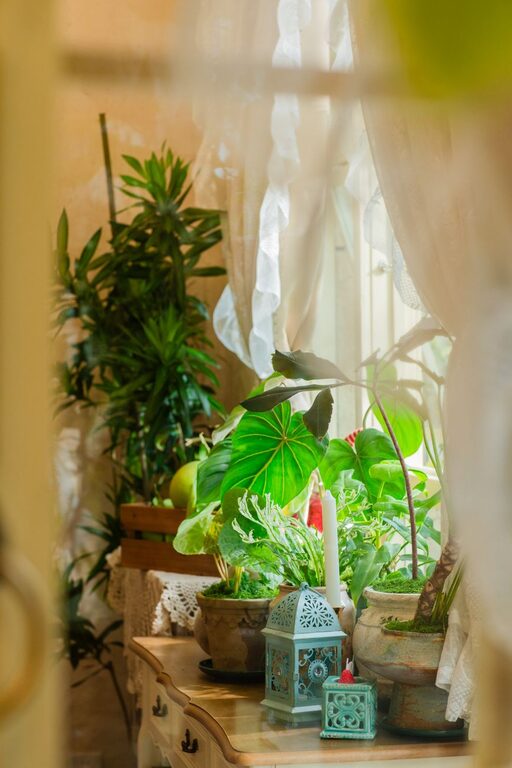
Plants are one of the easiest ways to refresh your home. They add colour, texture and natural character without requiring a full renovation. Whether you live in a spacious house, a small flat or a rental, a few well-placed plants can make your rooms feel more welcoming and complete.
The best approach is to choose plants that suit your space, lifestyle and existing decor. With the right placement and a little regular care, indoor plants can become an attractive part of your home for years to come.
Start by looking at your space
Before buying plants, take a walk through your home and notice the areas that feel empty, dull or underused. A bare corner, a plain shelf or an unused windowsill may be the perfect place for greenery.
Pay attention to the conditions in each room, including:
– How much natural light the area receives
– Whether the room is warm, cool or draughty
– How much space is available
– Whether the plant will be easy to water
– How the plant will work with your existing furniture
Natural light is especially important. A bright windowsill may suit plants that need plenty of light, while a darker hallway will need a more shade-tolerant option. Avoid placing plants where they will be exposed to strong heat from heaters, cold draughts or sudden temperature changes.
Choose plants that suit your lifestyle
The right plant is one you can care for comfortably. If you travel often or have a busy routine, choose varieties that do not need frequent watering. If you enjoy gardening, you may prefer plants that reward regular attention and pruning.
Some popular choices for different needs include:
Low-maintenance plants
Snake plants, ZZ plants and pothos are often suitable for people who want an easy-care option. They can cope with occasional missed watering, although they still need suitable light and well-draining soil.
Plants for bright spaces
Succulents, herbs and many flowering plants enjoy bright areas. A sunny kitchen windowsill can be a good home for basil, mint or thyme, provided the plants have enough room and are watered appropriately.
Plants for smaller rooms
Compact plants such as peperomia, spider plants and small ferns can add interest without taking over a room. Place them on shelves, side tables or narrow stands where they can be seen clearly.
Tall plants for empty corners
A tall plant can fill an unused corner and draw the eye upwards. Fiddle-leaf figs, palms and rubber plants can create a strong feature, but check the mature size before bringing one home.
Use plants to add colour and texture
Plants come in many shades of green, from pale silver to deep emerald. Some have large, glossy leaves, while others offer fine, delicate foliage. Combining different shapes and textures can make a display feel more layered and interesting.
Try pairing:
– A tall plant with a low, spreading plant
– Large leaves with small, detailed foliage
– Plain green leaves with patterned varieties
– Upright plants with trailing stems
– Plants in different shades of green
You do not need a large collection to make an impact. Three plants with different heights and leaf shapes can look more considered than several plants placed randomly.
If your room already has strong colours or patterns, green plants can provide a calming contrast. In a neutral room, plants can add a fresh, natural accent without overwhelming the overall style.
Create a plant display
Grouping plants together is a simple way to create a focal point. Use a plant stand, stool or small table to give the display different levels. This helps each plant remain visible and gives the arrangement a more balanced appearance.
When creating a group, keep the following points in mind:
– Place the tallest plant at the back or to one side
– Use smaller pots at the front
– Leave enough space between plants for air to move
– Keep watering access in mind
– Repeat colours or materials used elsewhere in the room
A group of matching pots can create a tidy, modern look. For a more relaxed style, combine pots in different shapes and materials while keeping one element consistent, such as colour or finish.
Open shelving is another useful option. Place smaller plants among books, framed photos and decorative objects to soften the display. Avoid overcrowding shelves, as plants need room to grow and may make the area difficult to clean.
Refresh your containers
Changing a plant’s pot can completely alter its appearance. A simple nursery pot can be placed inside a decorative cover pot, making it easier to update your decor without repotting the plant.
Choose containers that complement your home’s style. Ceramic pots can suit a classic or soft interior, while terracotta offers a warm, natural look. Woven baskets can add texture, but use a waterproof liner or keep the plant in its original pot to protect floors and furniture.
Make sure every container has suitable drainage. Excess water needs a way to escape, as soil that remains too wet can damage the roots. If you use a cover pot without drainage holes, remove the inner pot when watering and allow it to drain fully before returning it.
Bring plants into unexpected areas
Plants do not have to be limited to living rooms and windowsills. They can add warmth and personality to many parts of the home.
Consider placing plants in:
– The kitchen, where herbs can be both decorative and practical
– The bathroom, if there is enough natural light and ventilation
– The home office, on a shelf or beside the desk
– The bedroom, using a small plant on a dresser
– The entryway, to create a welcoming first impression
– The dining area, with a simple centrepiece
Keep plants away from places where they may be knocked over or exposed to cooking heat. In bathrooms, choose containers and surfaces that can handle moisture. Always check the care requirements before placing a plant in a particular room.
Make plant care part of your routine
A simple care routine will help your plants stay attractive. Check the soil before watering rather than following a fixed schedule. Some plants need water more often than others, and the amount can change with the season.
Regular care may include:
– Checking the soil moisture
– Wiping dust from leaves
– Removing damaged or yellowing leaves
– Rotating pots so plants grow evenly
– Checking for signs of pests
– Trimming overly long or untidy stems
Avoid overwatering, which is a common cause of plant problems. If you are unsure, check the plant’s care instructions and observe how quickly the soil dries. Use clean scissors when pruning and wipe them between plants if needed.
Refresh your arrangement with the seasons
You can update your home without buying new plants. Move plants to different rooms, change their containers or rearrange them at different heights. A plant that feels hidden on a shelf may become a striking feature on a stand.
Seasonal adjustments can also help. Move plants closer to brighter windows during darker months, while protecting them from harsh direct sunlight during warmer periods. Remove tired leaves, clean the display area and consider adding a small seasonal pot or fresh herb planter.
Plants are a flexible and affordable decorating choice. By selecting varieties that suit your home, using attractive containers and arranging them thoughtfully, you can create a fresher, more inviting space with relatively little effort. Start with one plant in an area that needs attention, then build your collection slowly as you learn what works best.